
 by
by 

- Your cart is empty Browse Shop
Sports Injury Rehabilitation
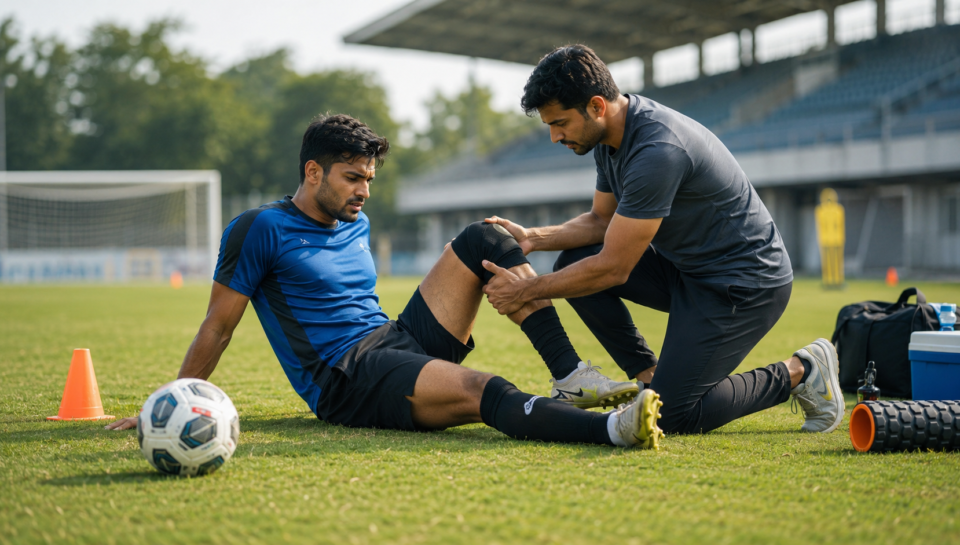
What Are the Common Types of Sports Injuries?
Sports injuries can occur suddenly during a fall, collision, awkward landing or rapid change of direction. They may also develop gradually because of repeated loading, insufficient recovery or a sudden increase in training intensity.
Common injuries seen in active individuals include:
- Ankle sprains
- Knee ligament and muscle injuries
- Shoulder pain and instability
- Tennis or golfer’s elbow
- Hamstring and calf strains
- Groin injuries
- Patellofemoral or kneecap pain
- Shin pain
- Achilles tendon problems
- Back and neck pain
- Overuse injuries caused by repeated training
Why Is Rest Alone Not Always Enough?
Rest may help settle symptoms during the early stage, but it does not automatically restore strength, balance, mobility or sport-specific ability. Returning directly to full activity after a period of rest can leave the individual unprepared for the physical demands of the sport.
A rehabilitation programme gradually exposes the body to increasing levels of movement and load. This allows progress to be monitored and exercises to be adjusted according to the person’s response.
What Happens During a Sports Physiotherapy Assessment?
The assessment considers both the injury and the demands of the sport. Your physiotherapist may ask about how the injury occurred, previous injuries, training frequency, footwear, playing surface, gym routine and recovery habits.
The physical examination may include:
- Joint movement and flexibility
- Muscle strength and endurance
- Balance and coordination
- Walking and running mechanics
- Jumping and landing control
- Agility and change-of-direction ability
- Sport-specific movement patterns
- Pain response during loading
This information helps the physiotherapist create a programme that matches the individual’s sport, position, activity level and personal goals.
The Main Stages of Sports Injury Rehabilitation
Stage 1: Protecting the Injured Area
The first stage focuses on protecting irritated or injured tissue while maintaining as much safe movement as possible. Advice may include temporary activity modification, appropriate support, gentle movement and strategies to manage pain or swelling.
Stage 2: Restoring Mobility
Reduced joint movement and muscle flexibility can affect normal technique. Controlled mobility exercises may be introduced to restore comfortable movement without placing excessive stress on the injured area.
Stage 3: Rebuilding Strength
Strength exercises are progressed gradually. Rehabilitation may begin with simple controlled movements before advancing to resistance training, weight-bearing exercises and movements involving several muscle groups.
Stage 4: Improving Balance and Control
Balance, coordination and body control are particularly important after ankle, knee and lower-limb injuries. Exercises may progress from stable surfaces to more dynamic tasks such as stepping, reaching, landing and changing direction.
Stage 5: Sport-Specific Training
General strength does not always prepare an individual for the speed and complexity of sport. Rehabilitation may therefore include running, jumping, throwing, kicking, acceleration, deceleration or directional drills depending on the activity.
Stage 6: Gradual Return to Sport
Returning to sport should normally be progressive. A person may begin with individual drills, advance to controlled practice, participate in modified training and then move towards unrestricted activity.
The decision should consider more than pain alone. Strength, mobility, balance, confidence and sport-specific performance may also need to be evaluated.
What Treatments May Be Included?
A sports rehabilitation programme may include:
- Exercise prescription
- Sports physiotherapy
- Manual therapy when appropriate
- Mobility and flexibility training
- Strength and conditioning exercises
- Gait and balance training
- Sports taping when clinically suitable
- Movement and technique correction
- Return-to-running or return-to-sport drills
- Home exercise guidance
The combination used will depend on the injury, healing stage and physical demands of the individual.
Is Being Pain-Free Enough to Return to Sport?
The absence of pain is encouraging, but it does not always mean the body is fully prepared. An individual may feel comfortable during daily activities but still have reduced strength, poor landing control or difficulty performing rapid movements.
A structured return-to-sport assessment may examine whether the individual can complete relevant movements safely and consistently before progressing to full participation.
How Can Future Injuries Be Reduced?
No programme can prevent every injury. However, the following habits may help reduce avoidable risk:
- Increase training volume gradually
- Include suitable warm-up activities
- Build strength relevant to the sport
- Allow adequate recovery between intense sessions
- Use appropriate footwear and equipment
- Do not ignore recurring pain or swelling
- Work on balance, control and movement technique
- Follow a progressive return after illness or injury
When Should a Sports Injury Receive Medical Attention?
Seek professional assessment when there is severe pain, visible deformity, inability to bear weight, rapidly increasing swelling, significant loss of movement, repeated joint instability, persistent numbness or symptoms following a major collision.
Suspected fractures, dislocations, head injuries or serious ligament injuries should receive prompt medical assessment.
Sports Injury Rehabilitation at Physiocare by Dr Hamsraj
Physiocare by Dr Hamsraj provides individualised sports rehabilitation for people returning to exercise, gym training, recreational sport and competitive activity.
Depending on the assessment, rehabilitation may include sports physiotherapy, exercise prescription, manual therapy, sports taping, gait and balance training, strength development and progressive return-to-sport exercises.
Recovering From a Sports Injury?
Receive a structured rehabilitation plan designed around your injury, activity level and return-to-sport goals.
Frequently Asked Questions
How soon should physiotherapy begin after a sports injury?
The appropriate starting time depends on the type and severity of the injury. Some conditions benefit from early guided movement, while fractures, dislocations or post-operative injuries may require specific medical restrictions.
Can beginners attend sports physiotherapy?
Yes. Sports rehabilitation is suitable for recreational players, runners, gym users and beginners as well as competitive athletes.
Will I have to stop all physical activity?
Not necessarily. Your physiotherapist may modify the activity and help you maintain fitness through movements that do not place inappropriate stress on the injured area.
Can physiotherapy reduce the risk of reinjury?
A progressive programme can address strength, balance, movement control and sport-specific preparation. However, no treatment can guarantee that another injury will never occur.
Medical disclaimer: This article provides general educational information. Sports injuries should be assessed individually by an appropriately qualified medical or physiotherapy professional.
