- Your cart is empty Browse Shop

- Home .
- Services .
- Single Service
Single Service
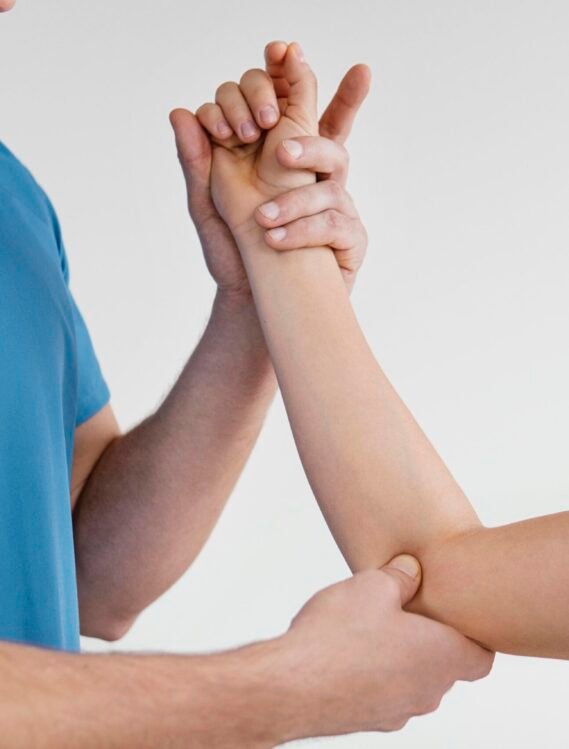
Elbow Pain Treatment
Elbow Pain Treatment & Rehabilitation in Chennai
Expert Physiotherapy for Lasting Elbow Pain Relief
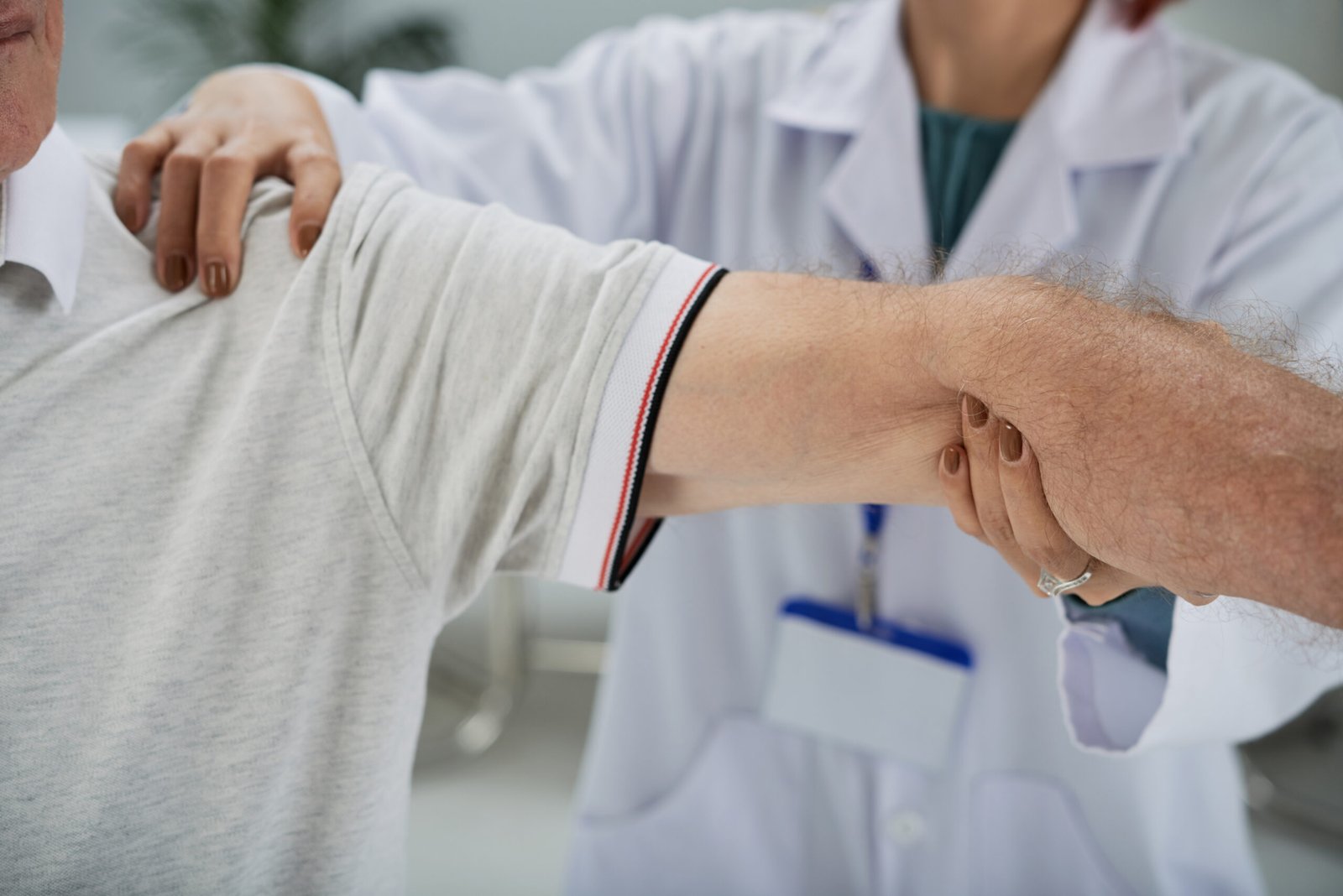
Elbow pain can interfere with everyday activities such as lifting, gripping, typing, sports performance, and even simple arm movements. At Physiocare by Dr. Hamsraj, we offer specialized elbow pain rehabilitation programs designed to relieve pain, restore joint function, and prevent long-term complications.
Our experienced physiotherapists focus on identifying the root cause of elbow pain, whether it results from overuse, sports injuries, repetitive strain, nerve irritation, or post-surgical recovery. Using evidence-based physiotherapy techniques, we help patients regain strength, flexibility, and pain-free movement for a safe and lasting recovery.
Elbow Pain (General / Elbow Joint Pain)
Causes:
How We Treat:
Repetitive arm movements, overuse of the elbow joint, poor lifting technique, sports activities, prolonged computer or manual work, muscle strain, or sudden injury.
How We Treat:
Pain relief modalities, manual elbow mobilization, soft tissue release, activity modification, and progressive strengthening exercises to restore elbow function and reduce pain.
Tennis Elbow (Lateral Epicondylitis)
Causes:
How We Treat:
Repetitive wrist and forearm movements, overuse during sports or work activities, improper technique, or excessive strain on the outer elbow tendons.
How We Treat:
Targeted pain relief therapy, manual therapy for tendon healing, forearm strengthening, stretching exercises, ergonomic correction, and gradual return-to-activity programs.
Golfer’s Elbow (Medial Epicondylitis)
Causes:
How We Treat:
Overuse of the forearm muscles, repetitive gripping, lifting, or throwing activities, poor posture, or muscle imbalance affecting the inner elbow.
How We Treat:
Manual therapy, pain relief modalities, muscle balancing exercises, strengthening of forearm and wrist muscles, and posture correction to reduce strain on the elbow.
Elbow Stiffness & Reduced Mobility
Causes:
How We Treat:
Post-injury immobility, prolonged casting, arthritis, scar tissue formation, or lack of movement after surgery or trauma.
How We Treat:
Joint mobilization techniques, guided stretching programs, mobility exercises, and functional rehabilitation to improve elbow range of motion safely.
Sports-Related Elbow Injuries
Causes:
How We Treat:
High-impact or repetitive sports activities such as cricket, tennis, badminton, weightlifting, or throwing sports causing strain or micro-tears in elbow structures.
How We Treat:
Sport-specific rehabilitation, pain management, strength and endurance training, movement correction, and injury-prevention strategies for safe return to sport.
Post-Surgical Elbow Rehabilitation
Causes:
How We Treat:
Recovery following elbow fracture fixation, ligament repair, tendon surgery, or joint procedures leading to pain, stiffness, and weakness.
How We Treat:
Phase-wise rehabilitation including pain control, mobility restoration, gradual strengthening, and functional training to regain strength and daily activity independence.
Elbow Pain
Common Elbow Pain Conditions We Treat
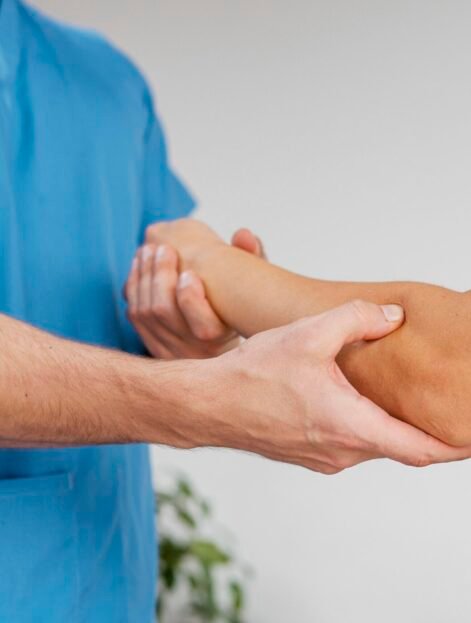
Our Elbow Pain Rehabilitation Approach
At Physiocare, each patient with elbow pain undergoes a comprehensive clinical assessment to accurately identify the source of pain, movement restriction, and functional limitation.
Manual Therapy & Elbow Mobilization
Hands-on techniques to reduce elbow pain, improve joint mobility, release tight tissues, and restore smooth, pain-free movement of the elbow and forearm.
Stretching & Flexibility Training
Controlled stretching programs to reduce stiffness, improve range of motion, and restore functional flexibility of the elbow and surrounding muscles.
Pain Relief Modalities
Use of heat, cold therapy, ultrasound, and electrotherapy to reduce pain, inflammation, and muscle tightness, supporting faster recovery.
Elbow Strengthening & Stabilization
Targeted exercises to strengthen the forearm, wrist, and elbow-supporting muscles, enhance joint stability, and prevent recurrent elbow injuries.
Postural Correction & Ergonomic Guidance
Correction of faulty movement patterns and work-related postures that overload the elbow, along with ergonomic advice for daily activities and occupational tasks.
Functional Rehabilitation Exercises
Activity-based exercises designed to safely restore elbow strength, coordination, and confidence in daily activities, work tasks, and sports performance.
TESTIMONIAL
What our Happy Clients say about our services
Ramesh Kumar
Chennai, India
Physiocare by Dr. Hamsraj helped me recover from severe lower back pain. The therapists were professional, supportive, and explained every step clearly. Highly satisfied with the treatment.

Priya Suresh
Adyar, Chennai
I underwent post-surgery rehabilitation here, and the results were excellent. The personalized exercises and care helped me regain strength and confidence faster than expected.
Arjun Menon
Velachery, Chennai
As a sports enthusiast, I needed focused rehabilitation. Physiocare helped me recover safely and return to my routine without pain. Highly recommended for sports injuries.
Karthik Raj
Sports Professional, Chennai
The team at Physiocare understands athletes’ needs. Their therapy approach was structured and effective. I’m grateful for the guidance and professional care I received.

Meena Lakshmi
T. Nagar, Chennai
I had chronic neck and shoulder pain for years. After therapy at Physiocare, my pain reduced significantly. The staff is caring and the environment is very comfortable.
Book Your Session
For our patients with impairments resulting from injury or illness affecting the nervous system.
WHY CHOOSE PHYSIOCARE
Expert-Led Elbow Pain Treatment Focused on Long-Term Recovery
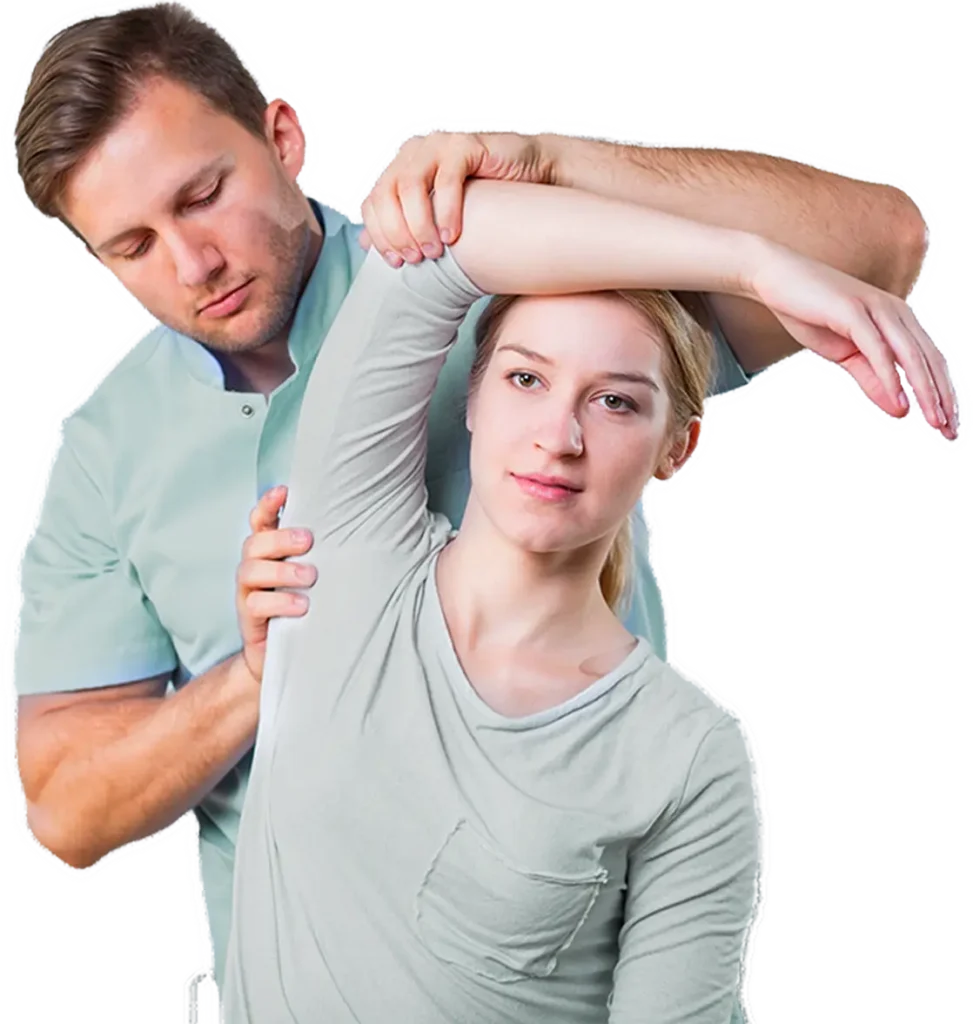
At Physiocare by Dr. Hamsraj, we specialize in treating elbow pain through a structured, evidence-based physiotherapy approach. Our goal is not just temporary pain relief, but restoring elbow mobility, strength, and function while preventing future recurrence.
Elbow pain can significantly affect daily activities such as lifting, gripping, typing, sports performance, and work-related tasks. Our expert physiotherapists focus on identifying the root cause of elbow pain—whether due to overuse, repetitive strain, sports injury, poor posture, or post-surgical recovery—and design a personalized elbow rehabilitation program tailored to each patient’s needs.
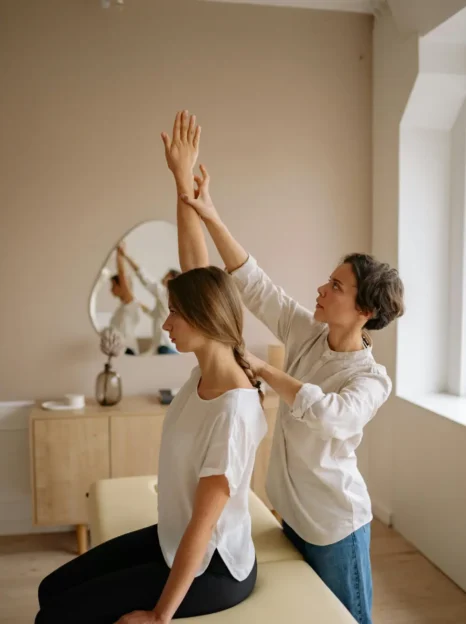
Through guided therapy and modern rehabilitation techniques, we help patients regain pain-free movement, functional strength, and confidence for long-term recovery.
1 +
Years of Clinical Experience in Physiotherapy & Rehabilitation
Who Can Benefit
Who Can Benefit from Elbow Pain Rehabilitation
Office professionals with prolonged sitting habits
Athletes and physically active individuals
Individuals suffering from poor posture or text neck
Patients recovering from spinal conditions
Elderly individuals with age-related back pain
Our expert-led shoulder pain rehabilitation focuses on relieving pain, restoring shoulder strength and mobility, and preventing future injuries. We help patients return to daily activities, work, and sports with improved comfort, confidence, and long-term shoulder health.
Start Your Elbow Pain Rehabilitation Today
Don’t let Elbow Pain Rehabilitation limit your lifestyle. Get expert physiotherapy care that helps you move better, recover faster, and live pain-free.
Cart (0 items)